AI in Cancer Pharmacy: The Guardrails Keeping Patients Safe
Introduction
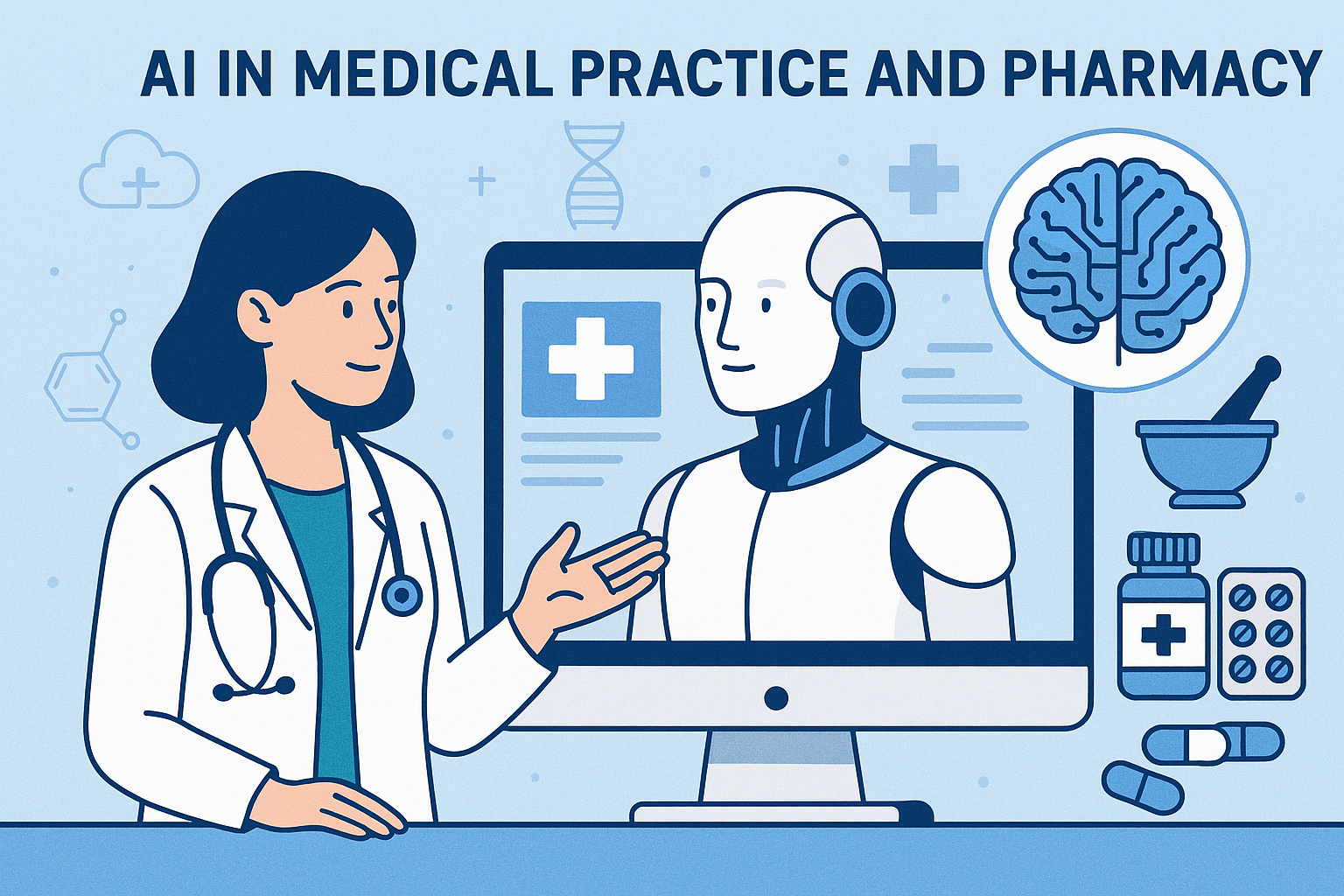
Artificial intelligence is increasingly becoming part of routine clinical practice in cancer services. From clinical documentation to decision support, AI offers new opportunities to enhance patient care and streamline services. However, with innovation comes responsibility. Just as medicines are regulated before use, AI must also follow systems of governance to ensure it is safe, ethical and clinically appropriate.
As the BOPA AI Committee, we are launching a new AI blog series to open discussion, share real experiences and understand what support is needed across cancer pharmacy. This post introduces the national guardrails that are shaping AI in the UK and invites you to be part of the conversation.
Why AI Needs Guardrails
AI has the potential to improve patient outcomes, increase capacity and support clinical judgement. However, without clear standards, it could introduce risks such as clinical bias, inappropriate recommendations or uncertainty around accountability. National bodies have put safeguards in place to ensure AI is introduced safely, transparently and with professional oversight.
NHS England – Responsible Use of AI
NHS England has set expectations for how AI should be deployed in clinical practice.
Patients must be informed when AI is used as part of their care.
Data must be protected through NHS information governance standards.
Clinical decisions must remain the responsibility of healthcare professionals, ensuring AI supports rather than replaces human expertise.
NICE – Evidence Still Matters
NICE requires AI tools to meet the same standards as medicines and medical devices.
AI must demonstrate measurable clinical benefit, effectiveness in real-world settings and value for the NHS. Innovation alone is not enough it must be backed by evidence.
MHRA – The AI Airlock
The MHRA is developing an “AI Airlock,” a controlled testing environment for AI technologies within the NHS.
This allows AI tools to be evaluated in real practice settings before full approval. Safety, performance and patient impact are monitored closely to ensure only trustworthy technologies reach wider use.
What This Means for Cancer Pharmacy
Pharmacists are already leaders in evidence evaluation, medicines governance and patient safety. This places our profession at the forefront of AI adoption in cancer services. AI will not replace pharmacists but those who understand and influence its use will shape the future of our specialty.
Join the Conversation
This blog series is designed to open dialogue and build shared understanding across the cancer pharmacy community. We want to hear your experiences, questions and priorities so we can develop practical resources and guidance through the AI Committee.
Share your views or tell us what support you need here:
https://www.bopa.org.uk/forums/topic/whats-your-ai-story/#new-post
Your engagement will shape the direction of AI in cancer pharmacy.
Final Thought
AI is a powerful tool that can enhance capacity, support decision-making and improve patient outcomes. With the right guardrails in place, AI can strengthen our profession and the services we deliver. This is our opportunity to lead its safe, meaningful adoption together.